Preparing for a Recession: Strengthening Your Financial Position
As economic cycles inevitably shift, the prospect of a recession looms as a reality for individuals and families alike. A proactive approach to financial management is essential not only for weathering the storm but also for emerging stronger when the economy rebounds. Understanding the signs of an impending recession, employing strategies to bolster financial resilience, and crafting a sustainable budget are critical components in fortifying your financial position. This article will guide you through the essential steps to prepare for economic uncertainty.
Understanding the Signs of an Impending Recession
Identifying the early indicators of a recession can provide invaluable time to prepare. Key signs include a decline in consumer confidence, rising unemployment rates, and a slowdown in manufacturing and retail activity. Monitoring economic indicators such as gross domestic product (GDP) growth, stock market trends, and interest rates can also offer insights into the overall economic health. Being aware of these signs allows you to anticipate potential challenges and adjust your financial strategies accordingly.
Additionally, geopolitical events, trade tensions, or significant shifts in government policies can contribute to economic instability. Understanding how these factors interact with local and global economies can help you gauge the severity of a possible downturn. Keeping a close eye on both domestic and international news can provide context for these signs and help you discern whether a recession is on the horizon.
Key Strategies to Strengthen Your Financial Resilience
One of the most effective strategies to prepare for a recession is to build an emergency fund that can cover at least three to six months of living expenses. This financial cushion can serve as a lifeline during periods of job loss or reduced income, allowing you to navigate tough times without resorting to high-interest debt. Start by automating monthly savings contributions to make the process easier and more consistent, ensuring that your emergency fund grows steadily.
Additionally, consider diversifying your income streams. Relying solely on a single job can be risky, especially in an uncertain economy. Explore opportunities for freelance work, part-time jobs, or side businesses that align with your skills and interests. Diversifying income not only provides additional financial security, but also enhances your overall marketability in the job market.
Building a Sustainable Budget for Economic Uncertainty
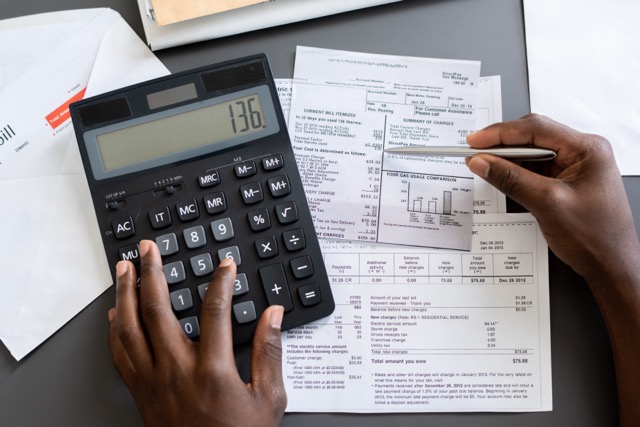
Creating a sustainable budget is essential for maintaining financial health during economic downturns. Start by assessing your current financial situation: list all sources of income and track your expenses meticulously. Categorize your spending into needs and wants, prioritizing essential expenses like housing, utilities, and food. This clear understanding of your financial landscape allows for more informed decision-making regarding discretionary spending.
Once your budget is established, review it regularly and make adjustments as necessary. In times of economic uncertainty, it’s crucial to remain flexible and responsive to changes in your financial situation. Cutting back on non-essential expenses, negotiating bills, or seeking discounts can help maintain your budget during lean times. A well-structured budget not only prepares you for potential challenges but also instills a sense of financial discipline that can lead to long-term stability.
Preparing for a recession involves a multifaceted approach that includes recognizing the signs of economic decline, strengthening your financial resilience through strategic planning, and maintaining a sustainable budget. By taking proactive measures now, you can safeguard your finances against the unpredictable nature of economic cycles. As uncertainty looms, being equipped with the right tools and mindset will empower you to navigate challenges successfully, ensuring that you emerge from difficult times with a reinforced financial position.